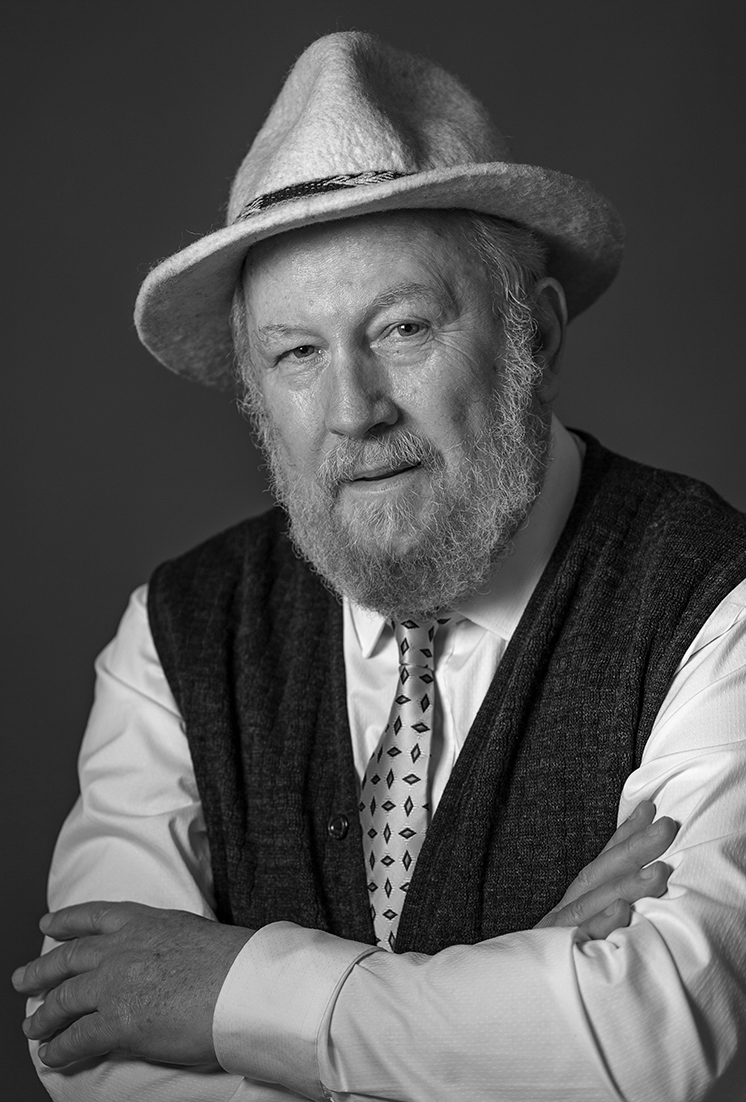
I met Abel Alexander in 2014 during my first trip to Buenos Aires. I was working on an exhibition of Latin American photography for the J. Paul Getty Museum, scheduled to open in 2017. Although the show would eventually focus exclusively on Argentine photography, at that stage—when research was just beginning—we did not yet know what direction it would take.
The curator and researcher José Antonio Navarrete had suggested we contact Abel, as he was someone who could assist us with 19th-century photography. I recall being particularly interested in finding studio portraits that featured a deliberate construction of the image—using backdrops and props—because I was planning an exhibition to be titled *Doble construcción* (Double Construction).
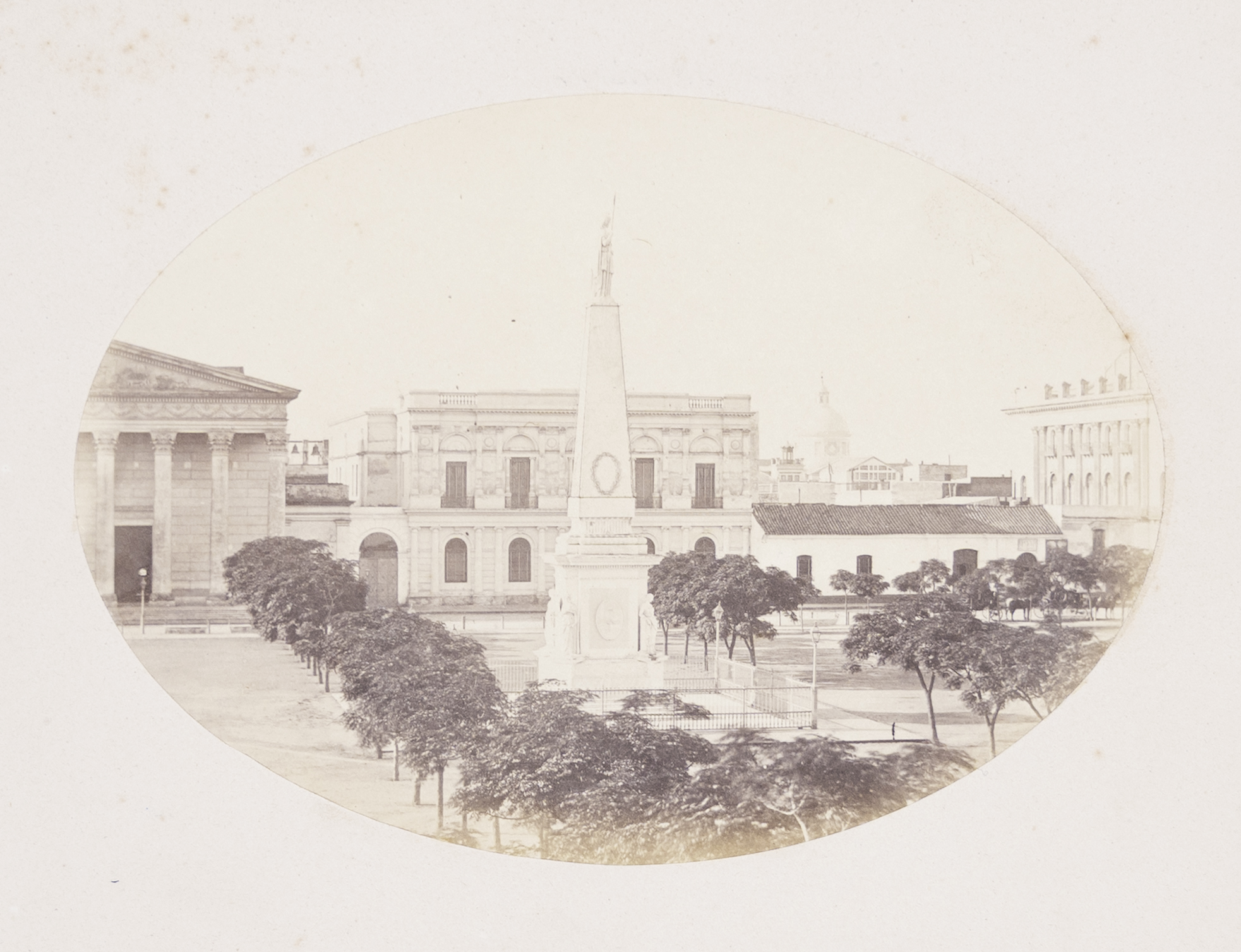
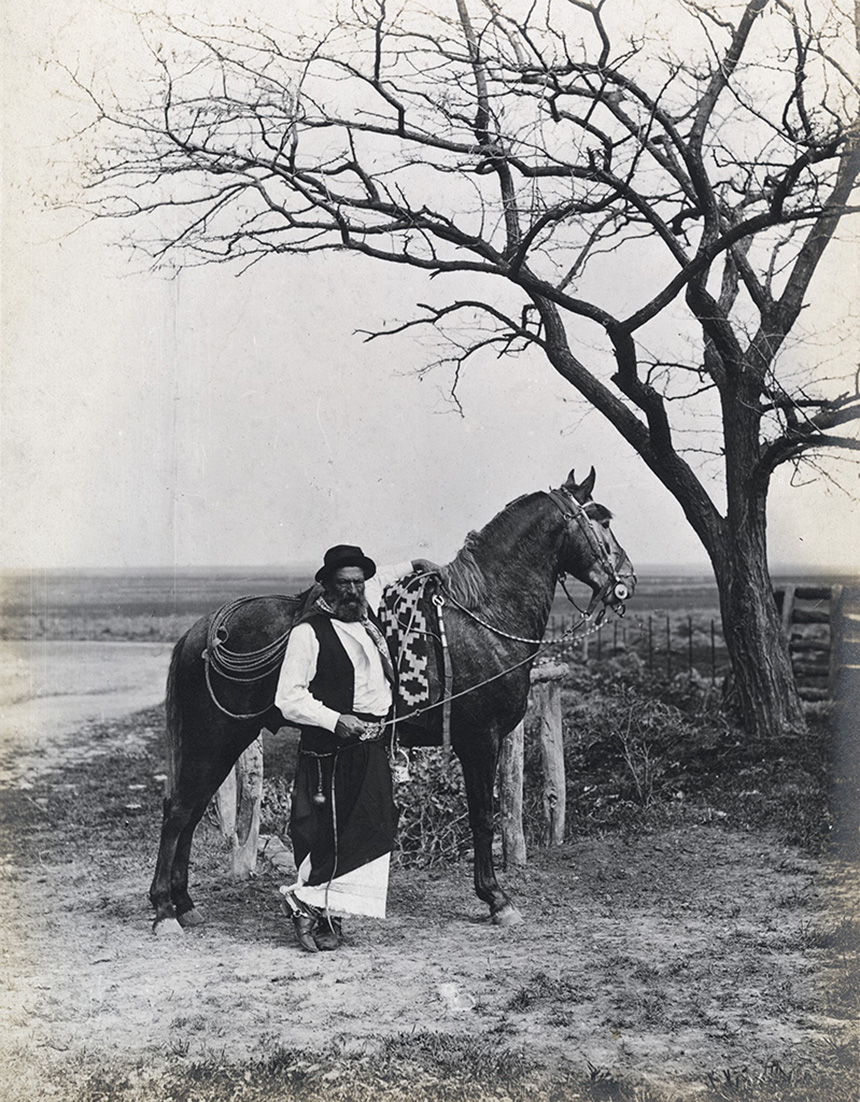
Abel welcomed us that spring-like November day at his workspace in the Benito Panunzi Photo Archive, part of the National Library. I clearly remember a simple office with a desk and three chairs. He invited us to sit down and immediately began what I consider a true masterclass on the history of early photography. What struck me most was the ease with which he connected names, studios, archives, and collections, reconstructing a comprehensive map of 19th-century Argentine photography right before our eyes. My notes from that meeting list names such as Benito Panunzi, Esteban Gonnet, Samuel and Arturo Boote, Antonio Pozzo, and Harry Grant Olds—a vast lineage of photographers Abel had studied for decades, yet who were unknown to me at the time, as I had never before delved into the world of early photography.
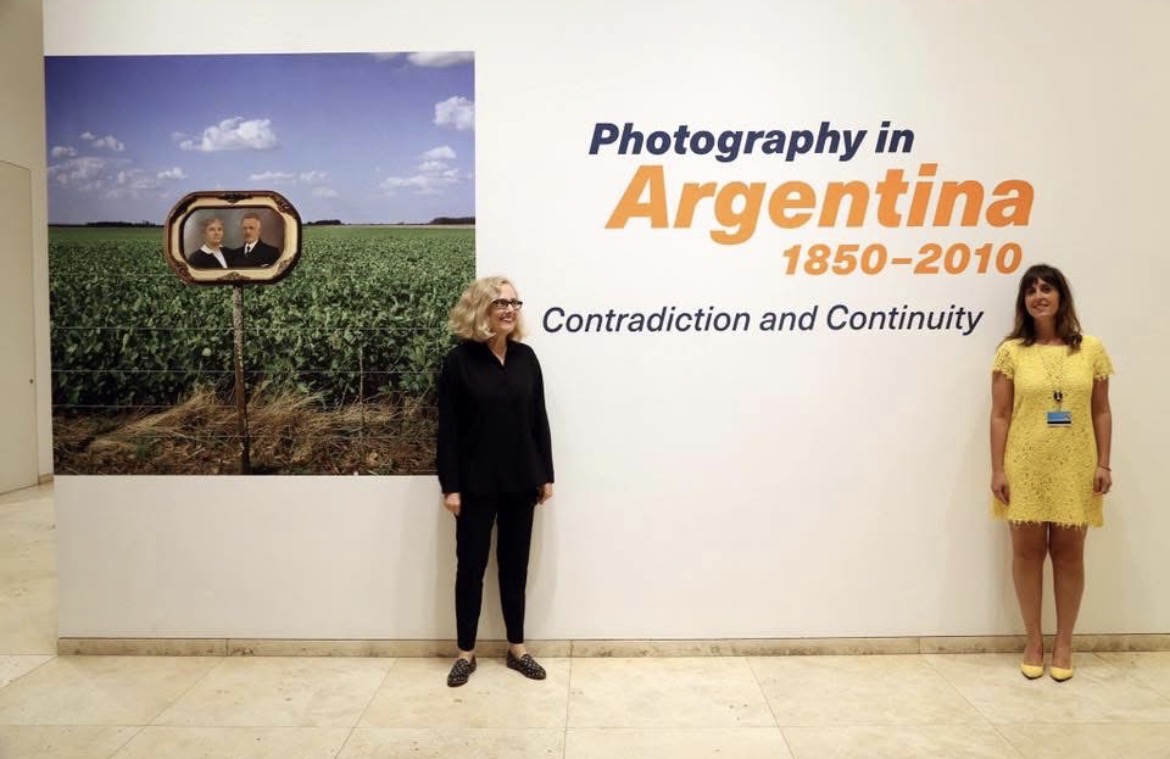
That initial meeting with Abel was followed by others during subsequent trips to Buenos Aires. At our second meeting, he wanted to show us his portrait collection and even offered to have his wife, Luiza, prepare a meal featuring her specialty: Brazilian cuisine. Seeing hundreds of visiting cards neatly arranged in boxes at Abel’s home was another one of those unforgettable experiences. Each box seemed to open up a new story and a new line of inquiry. Some of those photographs ended up being part of the exhibition, which by then had come to focus exclusively on Argentine photography. Titled *Photography in Argentina, 1850–2010: Contradiction and Continuity*, it brought together 300 photographs by 60 artists. The exhibition traveled to the Fundación PROA in 2018, becoming the first Getty Museum exhibition to tour Latin America. Abel and Luis Priamo—that wonderful duo of 19th-century photography specialists—wrote the catalog essay dedicated to early photography.
During that second visit, Abel told us we ought to meet other people and immediately sent us a list of Argentina’s most important collectors of 19th-century photography, including César Gotta, Daniel Sale, Matteo Goretti, and Diran Sirinian. Until then, we had thought primarily in terms of archives and institutions; Abel made us realize the importance of private collections in reconstructing that history. In doing so, he opened up new horizons for us and made it clear that the exhibition simply had to include early photography. Thus, 19th-century images were interspersed with modern and contemporary ones, revealing continuities in themes, concerns, and visual strategies that resurface across different historical periods. Perhaps one of the exhibition’s unique features was precisely that: it united two worlds—the 19th and 20th centuries—that usually operate in separate spheres, and for that, we are partly indebted to Abel.
To continue with anecdotes illustrating Abel’s infectious passion for photography, I would like to share one last story. We had met up with some other people at a café in Buenos Aires. In the middle of the meeting, Abel whispered to me, “Around the corner, there’s a bookseller who has a very interesting travel album that I think you’d like to see.” Once the meeting was over, he and I slipped away to see it, making excuses to the others and telling them we’d be back soon, while they looked on in puzzlement.
The photo album documented a sea voyage a couple had taken in the 1920s from New York to Buenos Aires. What made it fascinating was the blend of personal snapshots they had taken themselves and commercial photographs acquired along the way, revealing how the travelers had visually constructed the narrative of their journey. There is nothing quite like the thrill of finding a small treasure and sharing it. We pored over the album together, and I ended up buying two small prints: one showing a view of Rio de Janeiro framed by palm trees, and another of the port of La Guaira in Venezuela. While not of great monetary value, these photographs hold a different kind of worth: they represent the memory of an afternoon shared with Abel and the excitement of discovery that so often accompanied our conversations about photography.
I leave it to other colleagues to discuss Abel and detail his significant contributions to the history of early photography—through his research, his work at the *Fototeca*, and his organization of conferences on the history of photography. I wanted to focus this brief tribute on the personal side of things, to show how the immense generosity that defines Abel has deeply impacted countless people, myself included. For if I have learned anything from our conversations over the years, it is that knowledge takes on special value when shared—when it opens up new avenues of inquiry, reveals new worlds, and allows us to see things we thought we knew in a different light. And few people have shared as much, or as generously, as Abel Alexander.