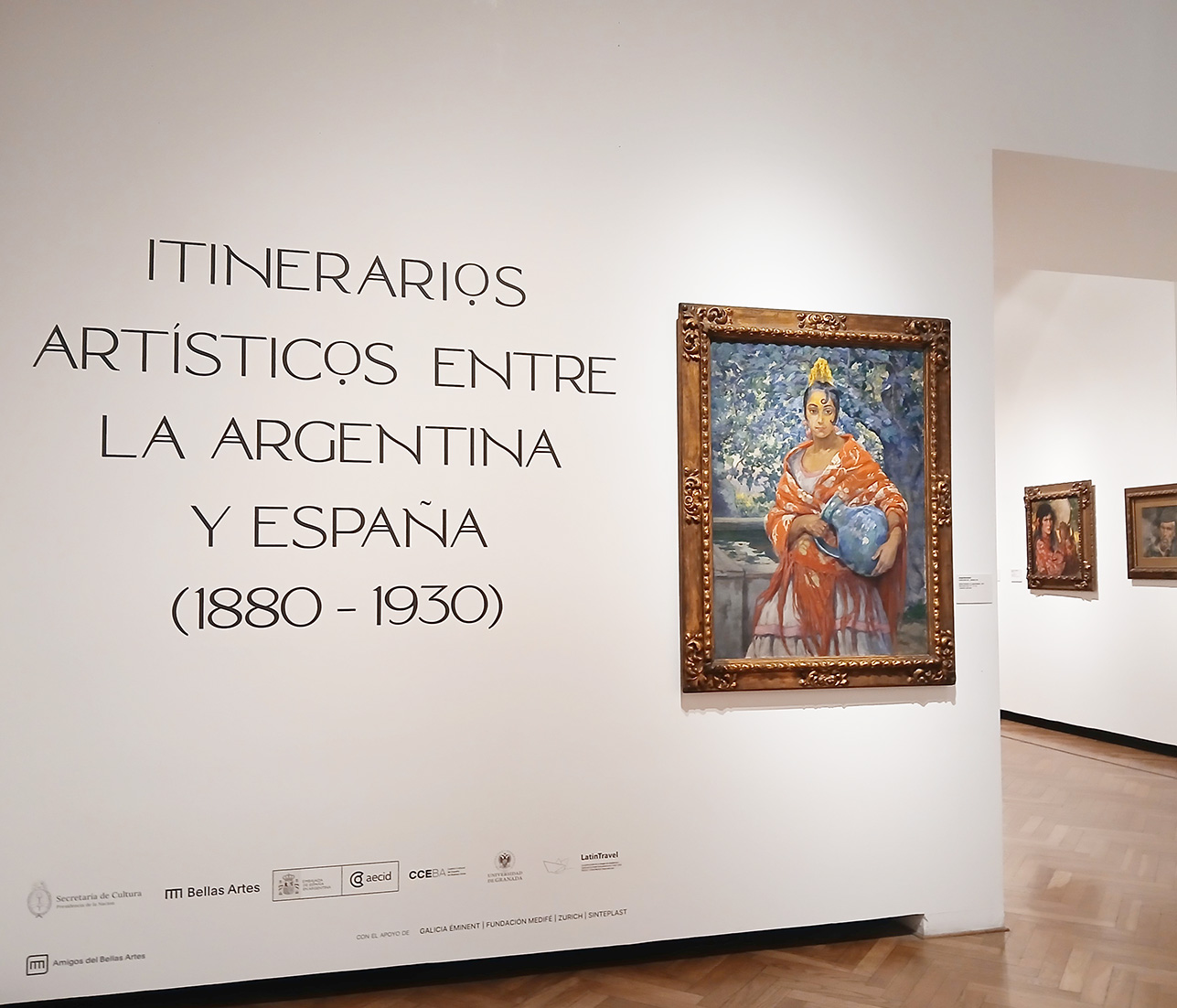
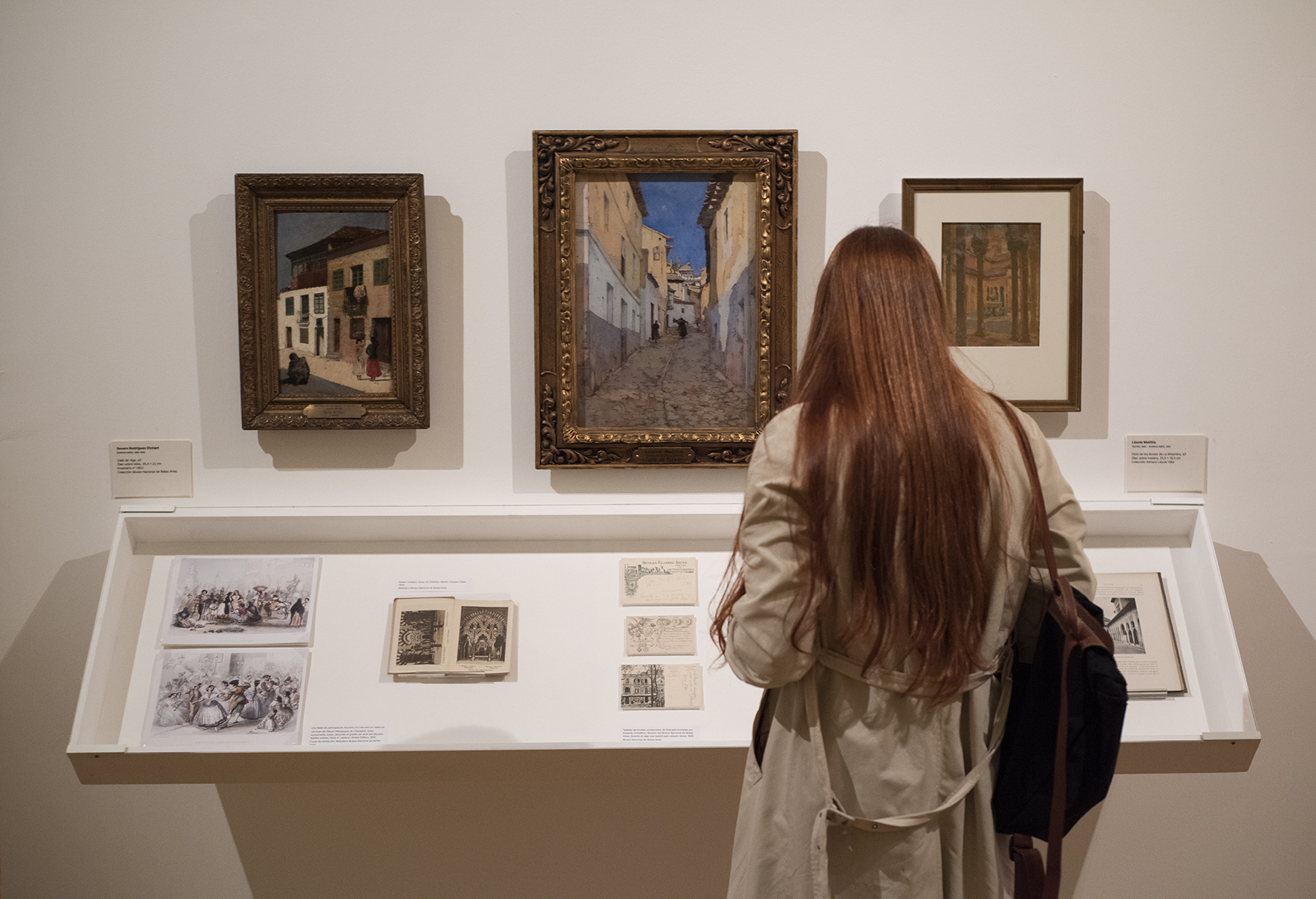
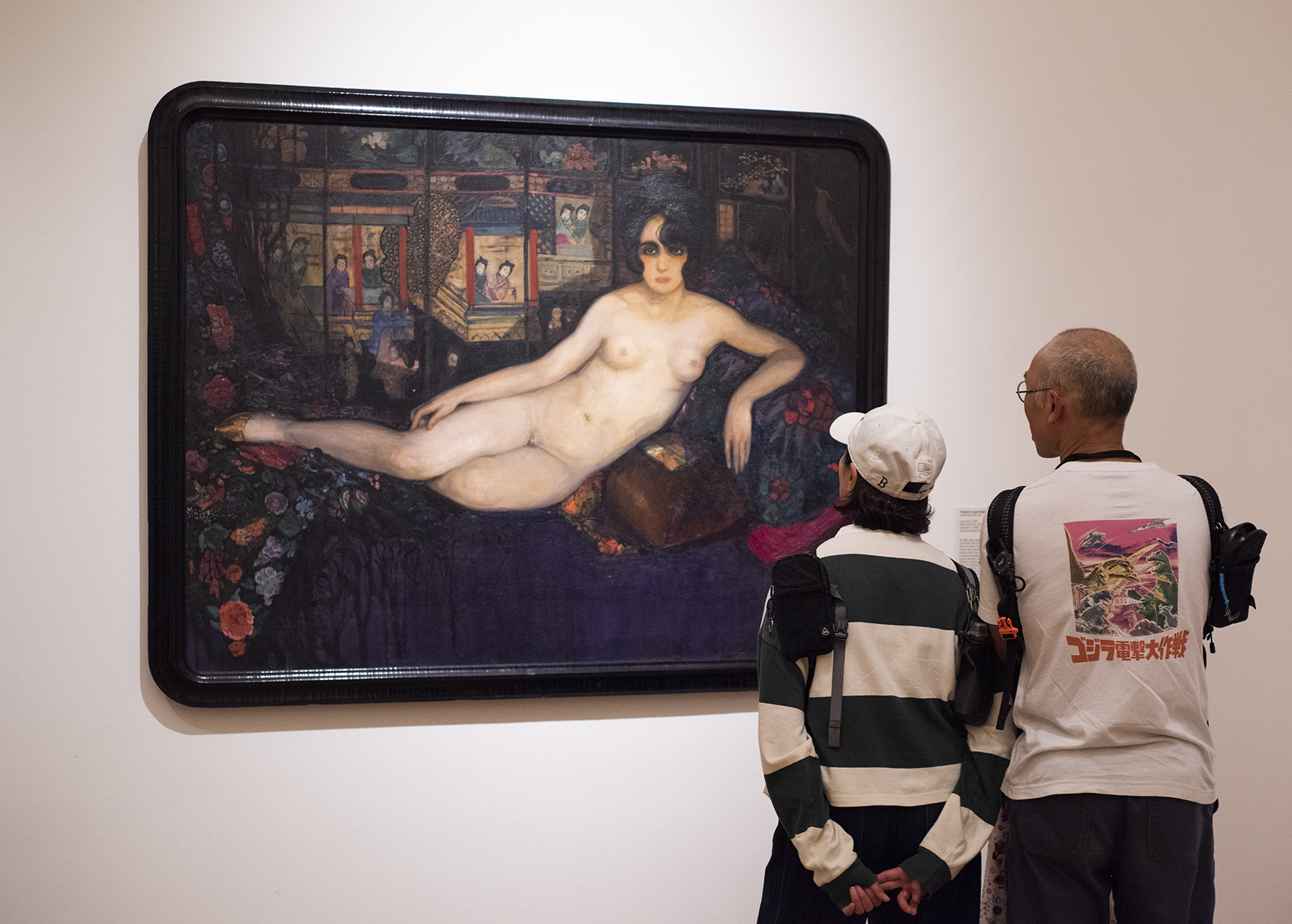
On April 17th, an exhibition entitled "Itineraries between Argentina and Spain [1880-1930]" opened at the National Museum of Fine Arts and will run until August 2nd. It brings together more than sixty works accompanied by a rich documentary collection that highlights the intense artistic relations that took place between the two countries during those years. The exhibition was made possible through an agreement signed by the University of Granada [Spain] and the Buenos Aires museum, allowing curatorial and research teams from both sides of the Atlantic to collaborate.
Furthermore, I believe that the artistic exchanges between Argentina and Spain during the chronological period covered by this exhibition, 1880-1930, are significant enough for the National Museum of Fine Arts to have included them in its well-conceived and high-quality cultural program.
It is true that, during these years, Paris was the intellectual epicenter that illuminated creation in all its facets, but not everything in the City of Light was French. Artists from diverse backgrounds exercised their mastery, forming a cultural network beyond national boundaries, woven through friendships, shared references, and a desire for learning and a creative future.
It was there that Spaniards like Ignacio Zuloaga and Hermenegildo Anglada Camarasa forged relationships with artists from Argentina who would follow them to the heart of Castile or the Balearic Islands, learning from them the need for reflection and inspiration in their own land, their people, and their cultural heritage. This ethical lesson, beyond its artistic value, would lead the Argentinians, upon their return, to their own landscapes, customs, and color palette, offering new and relatable themes that would soon be praised by critics and awarded in official competitions, as well as in solo and group exhibitions, reflecting a period of forging a national identity.
These artists did not forget their travels through Spain, participating in both national and international artistic movements, reflecting or translating, as I have mentioned, their experiences and influences. In addition to the masters already cited, they added the names of Joaquín Sorolla and Fernando Álvarez de Sotomayor, as well as the enduring lesson of the timeless, admired, and copied canvases in the Prado Museum.

Joaquín Sorolla y Bastida, Sea Wolf, 1894. Watercolor. Collection of the National Museum of Fine Arts. Photograph: Courtesy of MNBA.
Perhaps a singular example, though not insignificant, lies in the life of the French artist Léonie Matthis. She met the Spanish-Argentine painter Francisco Villar, settled in Buenos Aires, and together they created a series of views of Granada and the Nasrid palaces in the Alhambra Room of the Spanish Club, located on Bernardo de Irigoyen Street. These works reflect her time in Spain and the Orientalist influence so characteristic of the era. Simultaneously, at the Plaza Italia station of the Buenos Aires subway, she presented ceramic pieces depicting themes and narratives from Argentine history related to the Guarani missions, such as San Ignacio Miní. These diverse mediums and subjects trace a creative trajectory that led this French artist from her studies at the École Nationale des Beaux-Arts in Paris, through her travels in Spain and her romantic encounter with Villar, culminating in the aesthetic apprehension of her experience in the north of her adopted country.
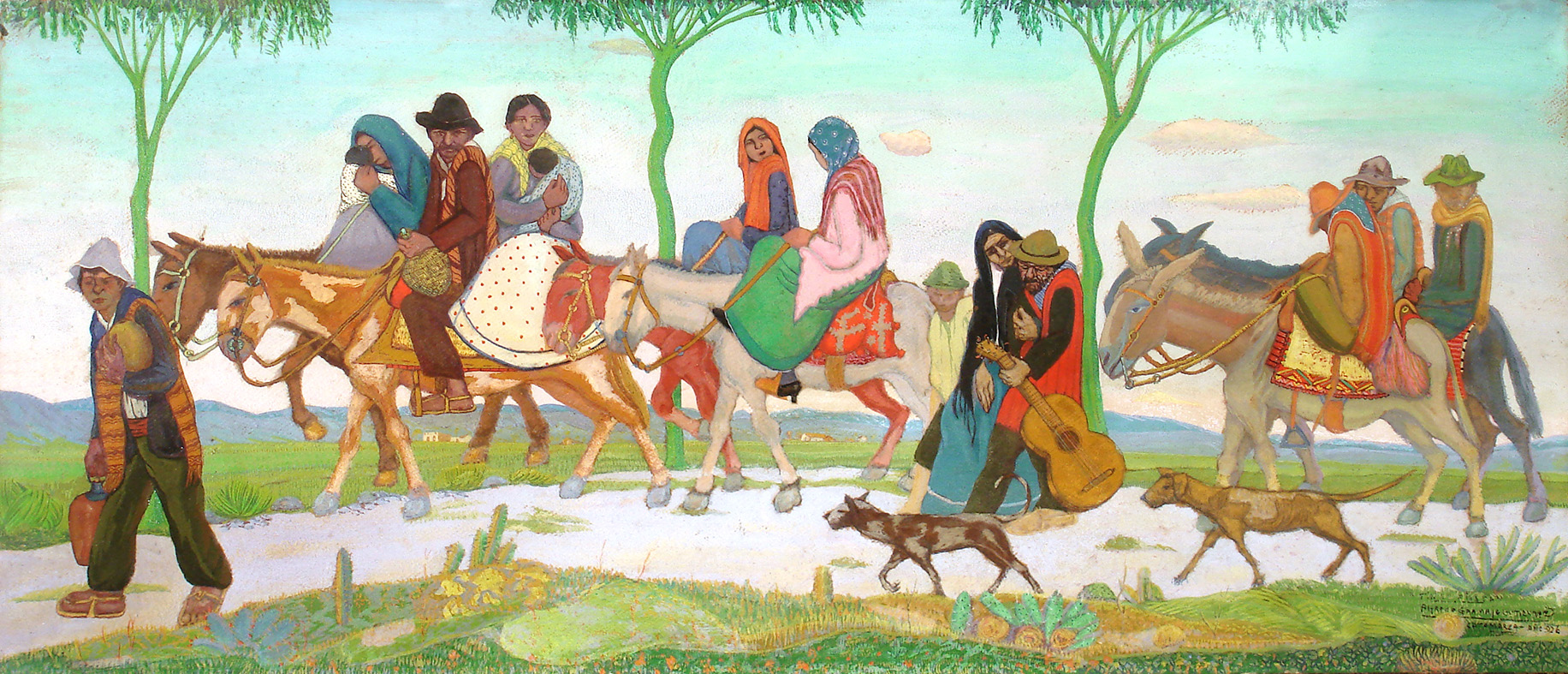
While we can trace the individual trajectory of each artist in the exhibition through their European and Spanish journeys, what's truly interesting is the analysis of institutional cultural relationships. This is evident in commemorative moments such as the celebration of the 400th anniversary of the discovery of America and the Ibero-American Exposition in Seville. This latter event, which closes the chronological arc of the exhibition, was crucial for assessing Argentina's position relative to Spain, as well as the artistic quality of the participating artists featured in the pavilion designed by architect Martín Noel. This architectural synthesis of culture was situated on the prime site of the event, the area known as the "orange grove of the beautiful flower." Furthermore, in addition to a library of over five thousand volumes by Ibero-American writers published in Argentina, the pavilion housed works by artists such as Gustavo Bacarisas, a Spaniard who had taught at the School of Fine Arts in Buenos Aires, Alfredo Guido, Alfredo Gramajo Gutiérrez, and Rodolfo Franco.
The official opening address was given by Enrique Larreta, renowned for his Hispanophilia, a fact attested to by his art collection, much of which is housed in the museum located in what was once his home in the Belgrano neighborhood.
Although wounds had to be healed since independence, the high rate of Spanish emigration between the mid-19th and 20th centuries, numbering around two million, also provided a space for encounter where the viceregal past, assimilated by certain economic and cultural elites, served as a point of reference, allowing for positive contemporary appreciations.
Ultimately, these cultural bridges and borderless dialogues also enabled the participation of Argentine artists in the National Fine Arts Exhibitions in Spain, on equal footing with other Latin American and Spanish artists, resulting in recognition, medals, and government acquisitions that have allowed for a collection of high artistic value to be held in Spanish museums today. Among them is the Reina Sofía National Art Centre, a leading center for contemporary avant-garde art internationally, with names like Benito Quinquela Martín and Francisco Vidal.
While Argentine artists exhibited in Spain during these years, Spanish artists also did so in Buenos Aires galleries, resulting in sales and accolades that enriched public and private collections, many of which have contributed as lenders to the exhibition currently on display at the Museum of Fine Arts.
As an exceptional example of these unpredictable yet positive paths of culture, I would like to conclude by mentioning the painter Jorge Bermúdez, an artist straddling two worlds that symbolically unites us. This Buenos Aires native met his death in Granada, having rediscovered his brushes and inspiration. Despite his short stay in the city of the Alhambra, he had become an integral part of the artistic scene of the time, and his prestige was evident in press reports, which included significant references to the loss of the renowned painter.
Artistic threads, creative textiles, academic networks, and critical perspectives intertwine the lessons these artists offered us on a human level, in terms of learning and aesthetic projection, so that today we can share and delight in their work as lessons in cultural history and as opportunities for individual contemplation of the beauty embodied in their creations.
*Special for Hilario. Arts, Letters, Crafts